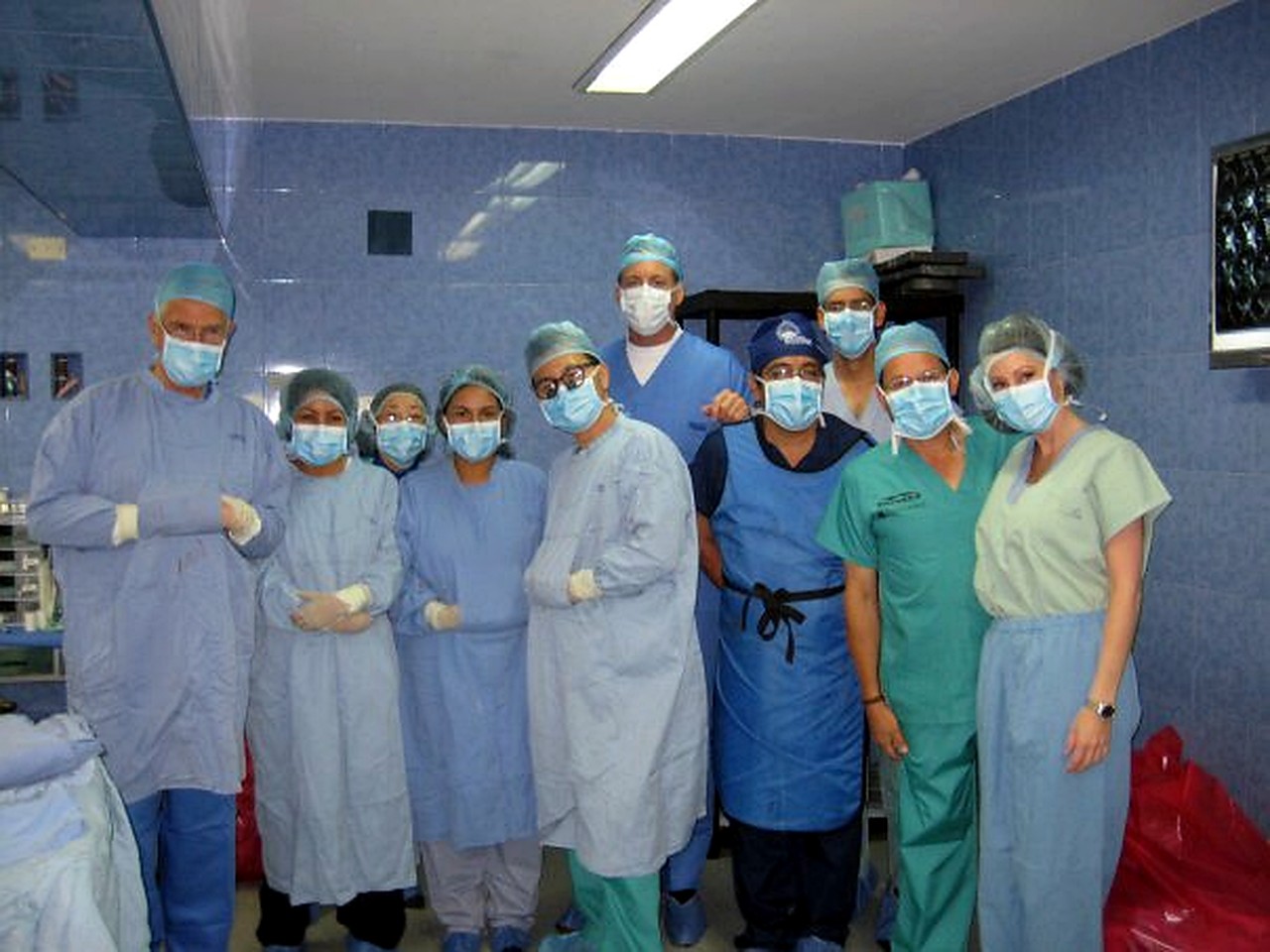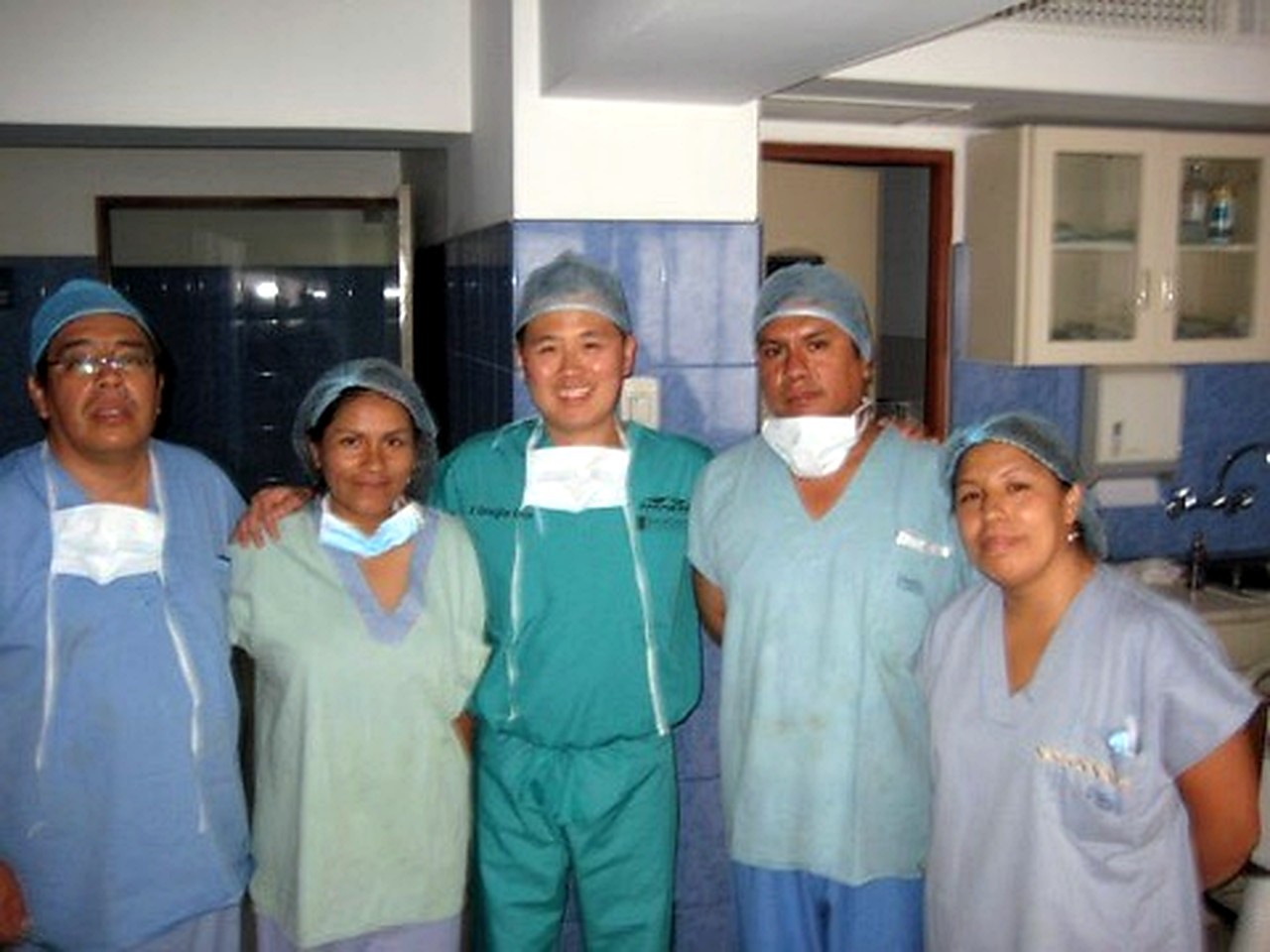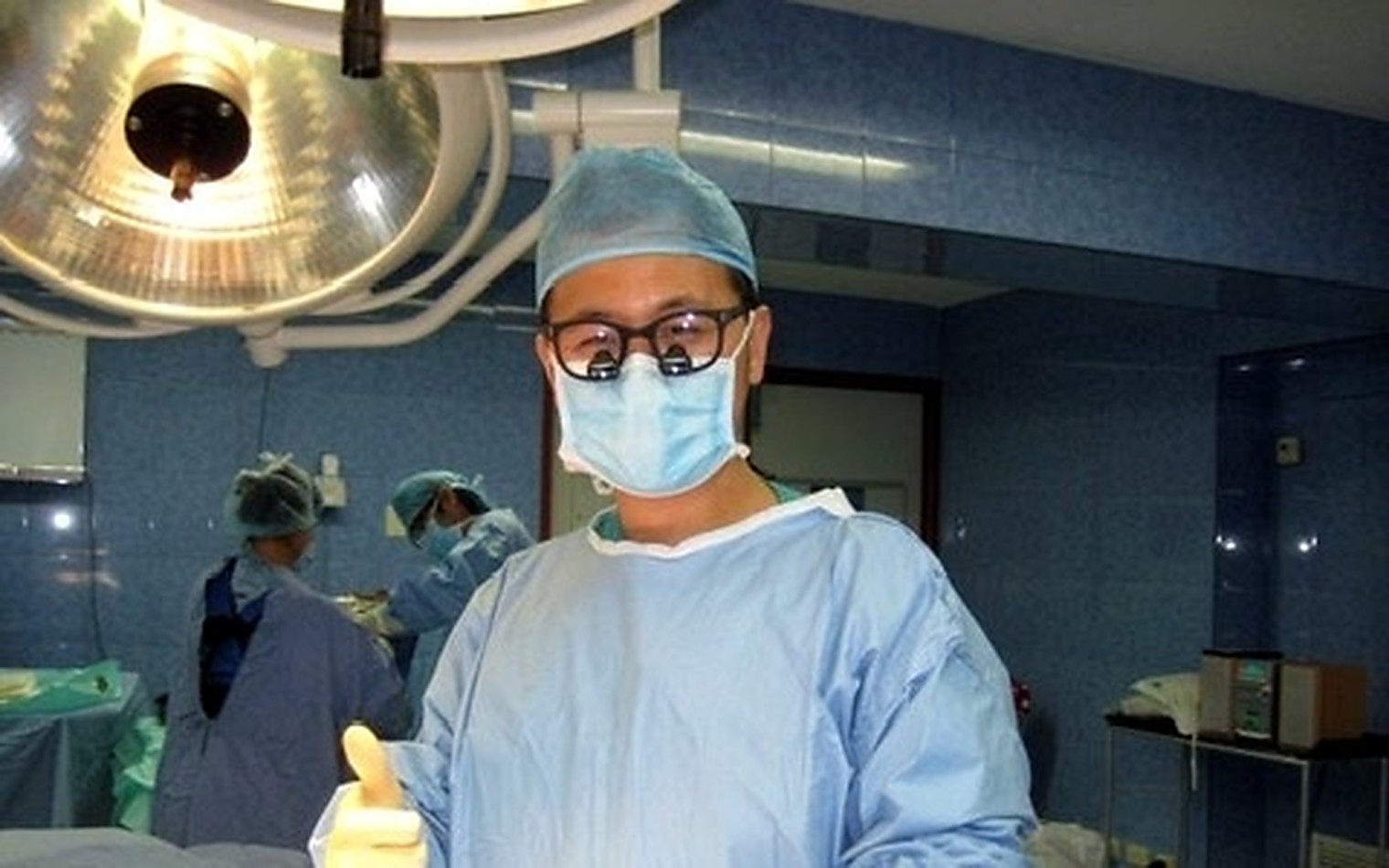
Over several trips to Peru, I've worked on high-complexity spine cases, pediatric scoliosis, adult deformity, spinal cancer, in settings with a fraction of the resources I'd have back home. No backup equipment run, no second specialist down the hall, no room for a plan that only works if everything goes right.
It forces a different kind of discipline. You strip every process down to what actually matters and cut everything that doesn't. That constraint taught me more about designing resilient systems than almost anything I picked up building clinics in the U.S.
Resourcefulness is a design principle, not a workaround
Back home, it's easy to build in redundancy and never think hard about whether each piece is pulling its weight. In a resource-limited setting, every step in a surgical process has to justify itself. That's the same question worth asking of any healthcare platform, or honestly any business: does this step exist because it's necessary, or because it's always been there?
Care shouldn't depend on geography
The patients I've operated on in Peru face the same conditions as patients in Dallas. What's different is access. That gap is the same one I've spent 20 years working on from the other direction, building integrated platforms that make good care less dependent on which zip code someone happens to live in.
The best systems are the ones that still work when nothing goes as planned.
Bringing it home
I keep coming back to Peru not because it's charity in the abstract, but because it's a stress test. If a process or a piece of equipment can't hold up under real constraint, it's not actually a good process, it just hasn't been tested yet. That's a useful standard to hold every system to, clinical or otherwise.